
Longevity Mistake Most Adults Make After 35 (How to Reverse It)
For many adults, turning 35 does not feel like a turning point. You can still work long hours, stay active, and manage family and professional responsibilities. From the outside, nothing appears broken. Internally, however, subtle physiological shifts are already underway.
Longevity does not decline overnight. It erodes quietly through cardiovascular strain, metabolic inefficiency, chronic stress, and low-grade inflammation. The most damaging part is not the decline itself, but the fact that most people do not realize it is happening.
This is where the longevity mistake begins.
The Longevity Mistake Most Adults Make After 35
The most common longevity mistake adults make after 35 is relying on how they feel instead of how their cardiovascular system is functioning.
Modern adults are conditioned to associate health with the absence of pain or diagnosis. If there is no chest pain, no alarming lab value, and no urgent medical event, everything must be fine. In reality, the cardiovascular system is remarkably good at compensating. It adapts to stress, poor recovery, inflammation, and metabolic load long before symptoms appear.
By the time discomfort or disease is obvious, the body has often been under strain for years.
Mistaking “Feeling Fine” for Being Healthy
Feeling functional is not the same as being resilient. Many adults operate in a state of compensated health, where the heart, blood vessels, and nervous system are working harder just to maintain baseline performance.
This is why individuals can feel “mostly okay” while still moving toward long-term cardiovascular risk. Energy dips, reduced exercise tolerance, and slower recovery are often dismissed as normal aging rather than early warning signs.
Why Annual Checkups Miss the Problem?
Traditional healthcare excels at identifying disease once it crosses a clinical threshold. Longevity decline rarely crosses that threshold early.
Annual checkups provide snapshots, not patterns. They often miss trends in heart rate variability, stress load, recovery capacity, and inflammation. Without continuous data and lifestyle context, early cardiovascular decline remains invisible.
Early Signs of Poor Heart Health You Shouldn’t Ignore
Early heart health warning signs tend to be subtle, cumulative, and easy to rationalize away. They rarely show up as dramatic pain or medical emergencies.
One of the most important mindset shifts after 35 is learning to recognize these signals as information, not inconveniences.
Subtle Physical and Performance Changes
Many people notice they fatigue faster during activities that once felt effortless. Walking uphill, carrying groceries, or returning to exercise after a short break feels harder than expected. These are often early indicators of cardiovascular inefficiency rather than loss of fitness alone.
Metabolic and Energy Signals
Cardiovascular health and metabolic health are tightly linked. When the heart and blood vessels are under stress, energy production becomes less efficient.
Common metabolic warning signs include:
- Frequent energy crashes throughout the day
- Difficulty maintaining a healthy weight despite similar habits
- Increased abdominal fat
- Blood sugar instability or cravings
These changes often precede diagnosable heart disease by years.
Stress, Inflammation, and Recovery Patterns
Chronic stress has a direct impact on heart health. Over time, it keeps the nervous system in a heightened state, limiting recovery and increasing inflammation.
Signs of stress-related cardiovascular strain may include:
- Poor sleep quality
- Heightened anxiety or irritability
- Slower recovery after exercise or illness
- Persistent muscle tension or pain
These are not just lifestyle issues. They are physiological signals.
Why Does Heart Health Decline Faster After 35?
After 35, the cardiovascular system naturally becomes less adaptable. Blood vessels lose elasticity, recovery slows, and the heart requires more support to maintain efficiency under stress.
This does not mean decline is inevitable. It means the margin for error becomes smaller.
Modern lifestyles compound this challenge. Long periods of sitting, constant digital stimulation, irregular sleep cycles, and highly processed foods place continuous demand on the cardiovascular and metabolic systems. Even individuals who exercise regularly are not immune if recovery and stress regulation are neglected.
Inflammation plays a central role here. Chronic, low-grade inflammation accelerates cardiovascular aging and interferes with the body’s ability to repair itself. Without targeted intervention, this process quietly compounds year after year.
The Real Cost of Ignoring Early Heart Health Signals
Ignoring early cardiovascular warning signs rarely leads to sudden collapse. Instead, it leads to a gradual loss.
Energy becomes harder to sustain. Stress tolerance drops. Recovery takes longer. Over time, these changes reduce quality of life long before a diagnosis appears.
From a longevity perspective, the greatest cost is missed opportunity. Early-stage cardiovascular decline is often reversible when addressed proactively. Once structural damage or disease is established, options become more limited and outcomes less predictable.
How to Reverse the Longevity Mistake After 35
Reversing this mistake requires a shift from reactive care to proactive, data-informed support.
Longevity-focused cardiovascular care emphasizes early detection, continuous monitoring, and personalized intervention. Rather than waiting for symptoms, it looks for trends in how the body responds to stress, activity, and recovery.
The Role of Technology in Heart Longevity
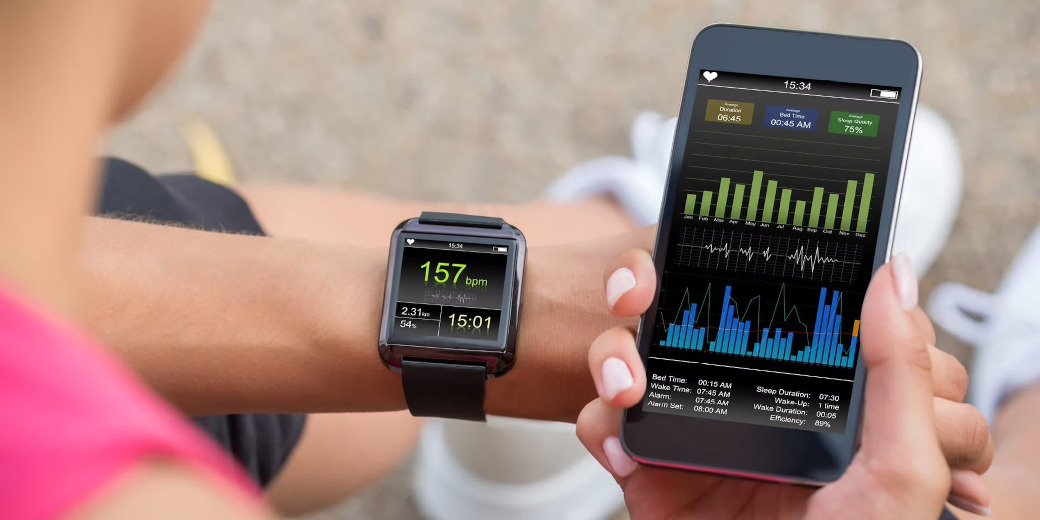
Wearable devices and remote monitoring tools now allow clinicians to observe cardiovascular patterns in real-world conditions. This includes heart rate variability, recovery capacity, and stress response across daily life.
Technology transforms care from occasional check-ins to continuous insight, enabling earlier and more precise intervention.
Lifestyle as a Clinical Tool
Sustainable heart health requires more than exercise alone. Effective longevity programs integrate movement, stress regulation, sleep optimization, and behavioral support.
When lifestyle strategies are paired with medical oversight and real-time data, they become powerful tools for reversal rather than generic advice.
How HealthTech Wellness Supports Long-Term Heart Health
HealthTech Wellness operates at the intersection of medicine, technology, and lifestyle care. Its programs are designed to extend cardiovascular support beyond the clinic while maintaining clinical rigor.
Remote Cardiovascular Rehabilitation
Remote cardiovascular rehabilitation allows individuals to participate in structured, clinician-guided heart health programs without the limitations of in-clinic schedules. Continuous monitoring, personalized activity guidance, and progress tracking support consistency, which is essential for long-term outcomes.
Technology as Human-Centered Care
At HealthTech Wellness, technology is not a replacement for clinicians. It is an extension of care. Data enables providers to understand how patients live, recover, and respond to stress, allowing interventions to be adjusted in real time.
A San Diego-Inspired Wellness Environment
Operating in San Diego, California, HealthTech Wellness draws inspiration from an environment that naturally supports active living and preventive care. Coastal movement, outdoor spaces, and wellness-forward culture reinforce sustainable lifestyle change rather than short-term programs.
Why Trust HealthTech Wellness?
Trust is built through transparency, expertise, and results.
HealthTech Wellness collaborates with healthcare providers to deliver scalable, compliant cardiovascular programs grounded in modern clinical standards. Its approach integrates technology-enabled monitoring with personalized lifestyle support.
Brittany L. Wilson, A.S., B.S., an Inflammation, Pain, and Stress Coach with degrees in Biological Sciences and Cognitive Psychology from UC Irvine, contributes science-based, non-invasive strategies for managing chronic stress and inflammation. This expertise strengthens the connection between cardiovascular health and daily living.
Who Should Consider a Technology-Driven Heart Health Program
This approach is particularly valuable for adults over 35 who:
- Experience subtle declines in energy or recovery
- Have a family history of heart disease
- Live with chronic stress or inflammation
- Want preventive care rather than reactive treatment
- Prefer flexible, remote healthcare solutions
Earlier engagement often leads to better long-term outcomes.
Frequently Asked Questions (FAQs)
What is the biggest longevity mistake adults make after 35?
The most common mistake is waiting for symptoms before addressing heart health. Cardiovascular decline often begins long before disease is diagnosed, making early intervention critical for reversal and longevity.
Can early signs of poor heart health really be reversed?
In many cases, yes. When identified early, cardiovascular inefficiency, inflammation, and stress-related strain can often be improved through targeted lifestyle changes and technology-enabled monitoring.
How does remote cardiovascular rehabilitation differ from traditional rehab?
Remote programs provide structured support without requiring frequent clinic visits. Wearable technology and clinician oversight allow care to adapt to real-life conditions rather than controlled environments alone.
Why is stress such a major factor in heart health?
Chronic stress disrupts nervous system balance, increases inflammation, and impairs recovery. Over time, this significantly increases cardiovascular risk even in physically active individuals.
When is the best time to focus on longevity-focused heart care?
The best time is before symptoms appear. Adults over 35 benefit most from proactive, data-informed care that supports heart health, metabolic balance, and long-term vitality.
Final Thoughts
Longevity is not about avoiding aging. It is about supporting the systems that allow you to age with strength, clarity, and resilience.
The most damaging mistake adults make after 35 is assuming heart health will take care of itself until something goes wrong. With modern technology, personalized care, and lifestyle-driven support, that assumption is no longer necessary.

 July 16, 2025